

Week 10: August 4th - 10th
Week 10--how is this possible? As usual, I am taken aback by how quickly we reach our slow down point. There's always this rush of a feeling as we start the season and reconnect with our PIGU and then another one as we see the first fish deliveries start rolling in. That these little chicks can grow and be seaworthy within 35-42 days is quite amazing!
I'll be curious to hear how many colonies will close down after this week. Have there been any more fledgling sightings? I actually saw a fledgling/juvenile yesterday evening fishing at the mouth of Henderson Inlet. It made me happy to see that little one bobbing and diving and doing its thing (too bad I didn't have my camera handy!).
We've had some unfortunate news from the Whidbey Island Double Bluff colony this last week. Two deceased chicks were found at different times down on the beach--one by the survey team as they were checking at the base of the bluffs, and one by COASST volunteers who came across what appeared to be a predation event. It is heartbreaking to hear such news, and especially for the team that has been cheering on the parents as they've tended their young. As hard as it is, we learn a lesson about the way of nature and how tough it is to survive out there, even with the best care. Seeing the way the survey team responded, I was reminded of the things that connect us to each other and to the PIGU--our love of the birds and the sea, and our dedication to being good stewards of both. I was also buoyed last night, watching that fledgling--this is all part of the cycle and it will continue.
The timing of finding the chicks was interesting as well. Just last Thursday, WDFW Wildlife Veterinarian, Katie Haman, met with us to talk about Highly Pathogenic Avian Influenza and what to do if we come across deceased or sick birds. This presentation came to be because a PIGU chick and sick PIGU were found (in different regions) earlier in the season--and the question was asked, what should we do? I don't know what it means that we've lost three chicks and one adult in one season, but again, we know these things happen. That fact that we're there out on the beach and being observant means that we have an opportunity to help solve some of these mysteries. If you missed Katie's presentation, you can find it on our website, here: http://www.pigeonguillemot.org/dead-or-sick-birds-on-the-beach.html
I will keep the update short this week--I'll admit, like some of our colonies already, it was a bit of a quiet one! Thank you all for so diligently supporting your surveyors and colony leads throughout the season! I hope to see many of you in the Zoom Wednesday afternoon!
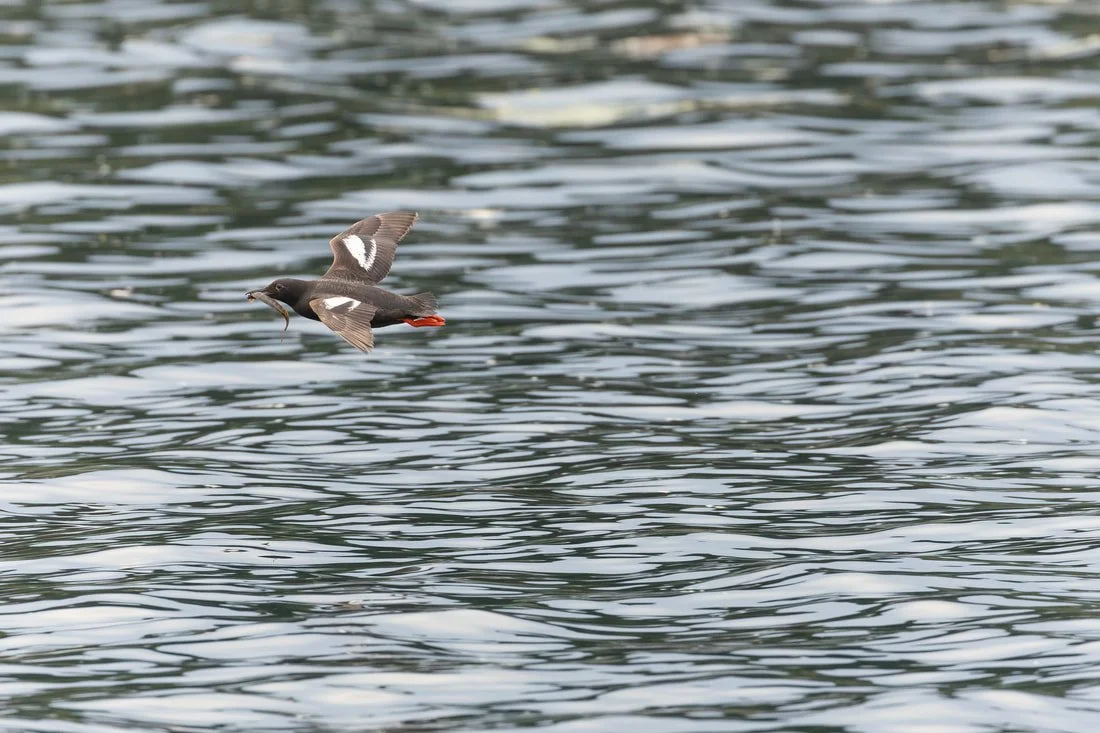
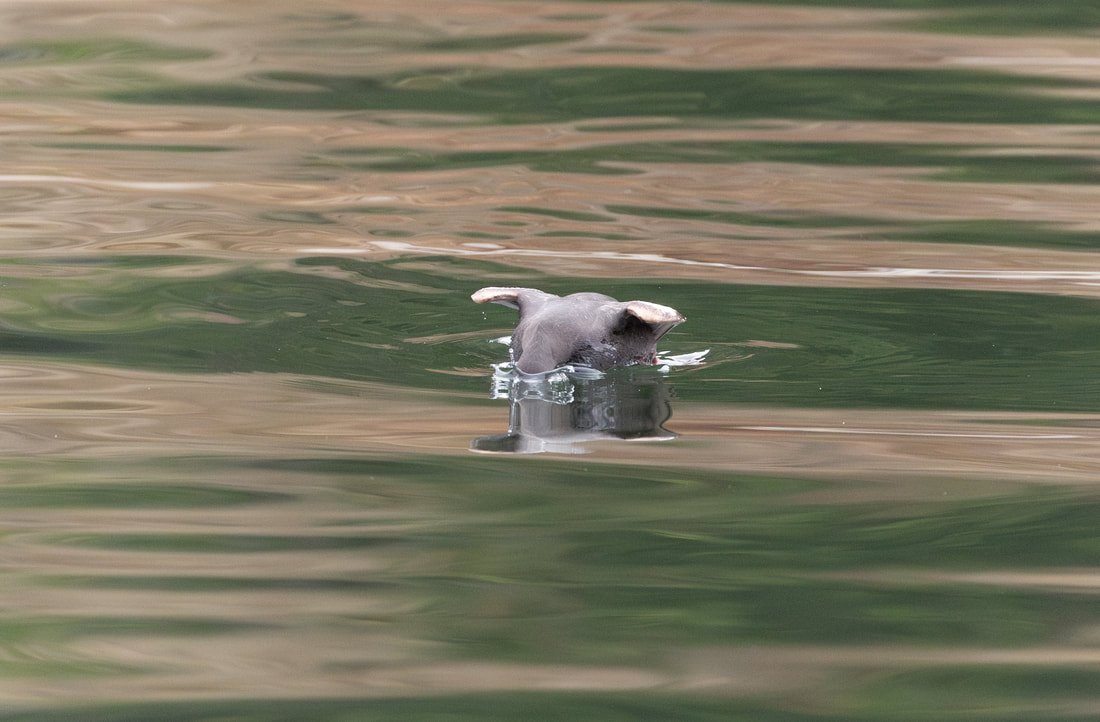
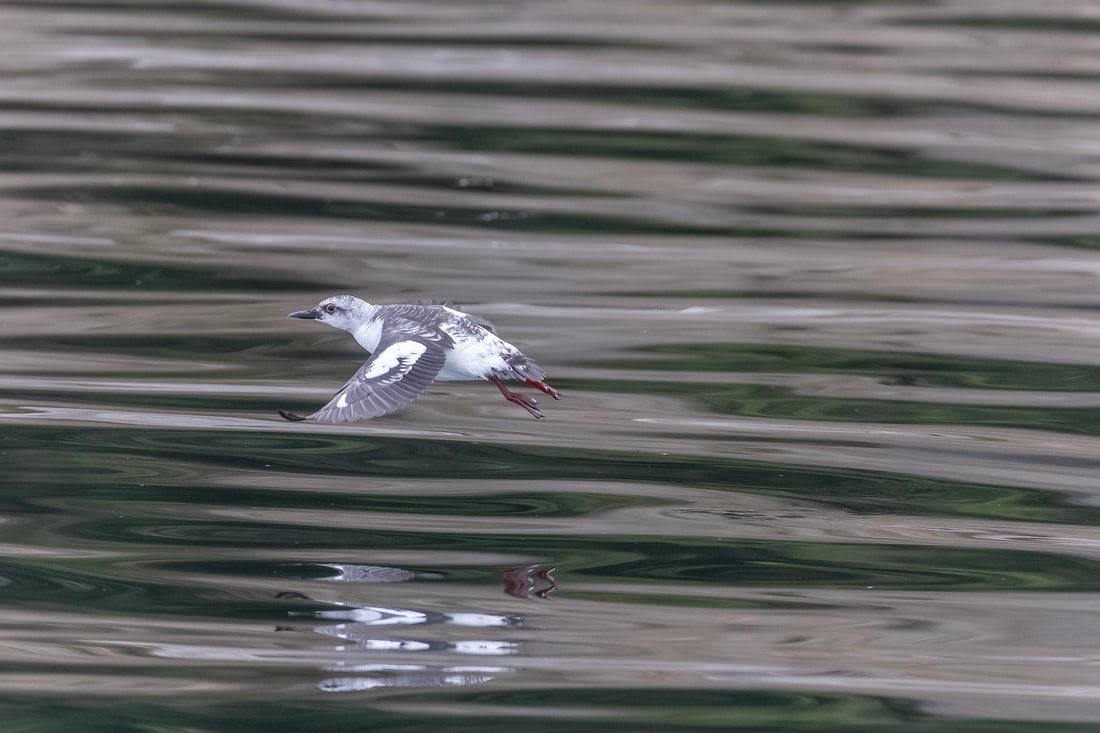
Here are some pics from Amsterdam Bay last week (by me!):
Take care and enjoy these last few weeks with your PGs before they float away for the "winter"!
— Shannon