

Week 4: June 28th - July 4th
Happy Week 4 dedicated guillemoteers and PIGU enthusiasts!
You may have noticed a shift in PIGU behavior over the last week, though that shift could have looked very different depending on where in the Salish Sea region you were sitting. Some colonies seemed to quiet down after a period of active socializing, bonding behavior, and burrow visits, while others showed a noticeable increase in activity as prey deliveries to chicks picked up. At Hastie Lake, on Whidbey Island, PIGU were still observed mating. This means that prey deliveries are potentially still four weeks away for one set of chicks (potential because we hope this pairing results in new offspring!). Offered into evidence, this photo by Lac Pope.
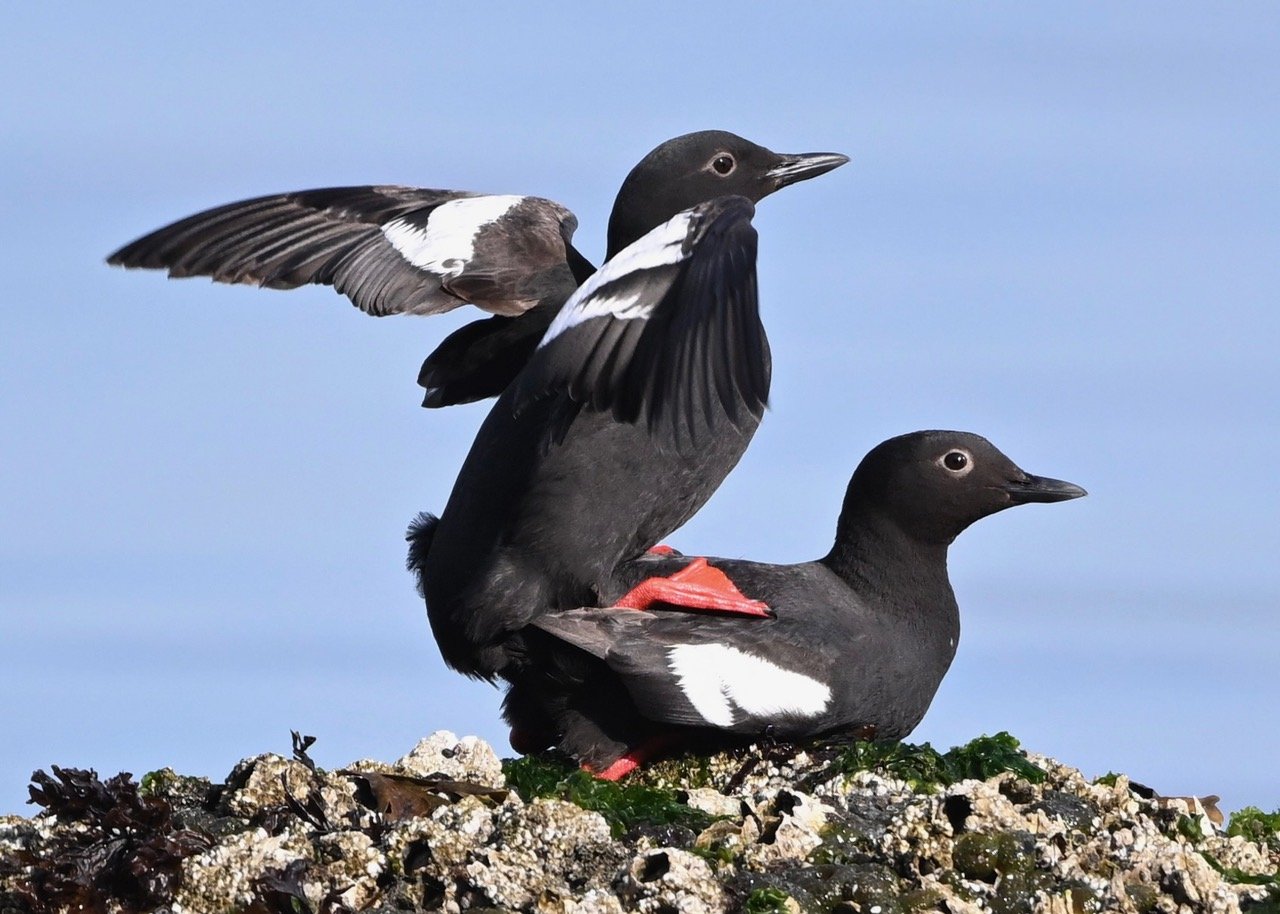
Photo: Lac Pope
While all colonies follow a similar annual breeding cycle, chick provisioning (aka, feeding) can vary by four weeks or more from colony to colony or even within a colony. The shift you experienced last week, whether up or down, will depend on where your birds are at in the cycle and whether their timing of egg laying and chick rearing is staggered.
As I’ve mentioned before, downticks in activity could simply signal a period of incubation at a colony. Wet and windy weather, such as many of us found ourselves in last week, can also impact observed activity and even population counts. Here is a bird quietly sitting in a hollowed out piece of driftwood, a scene captured last week by Lac Pope. (I’m keeping this location private because of its accessibility.)
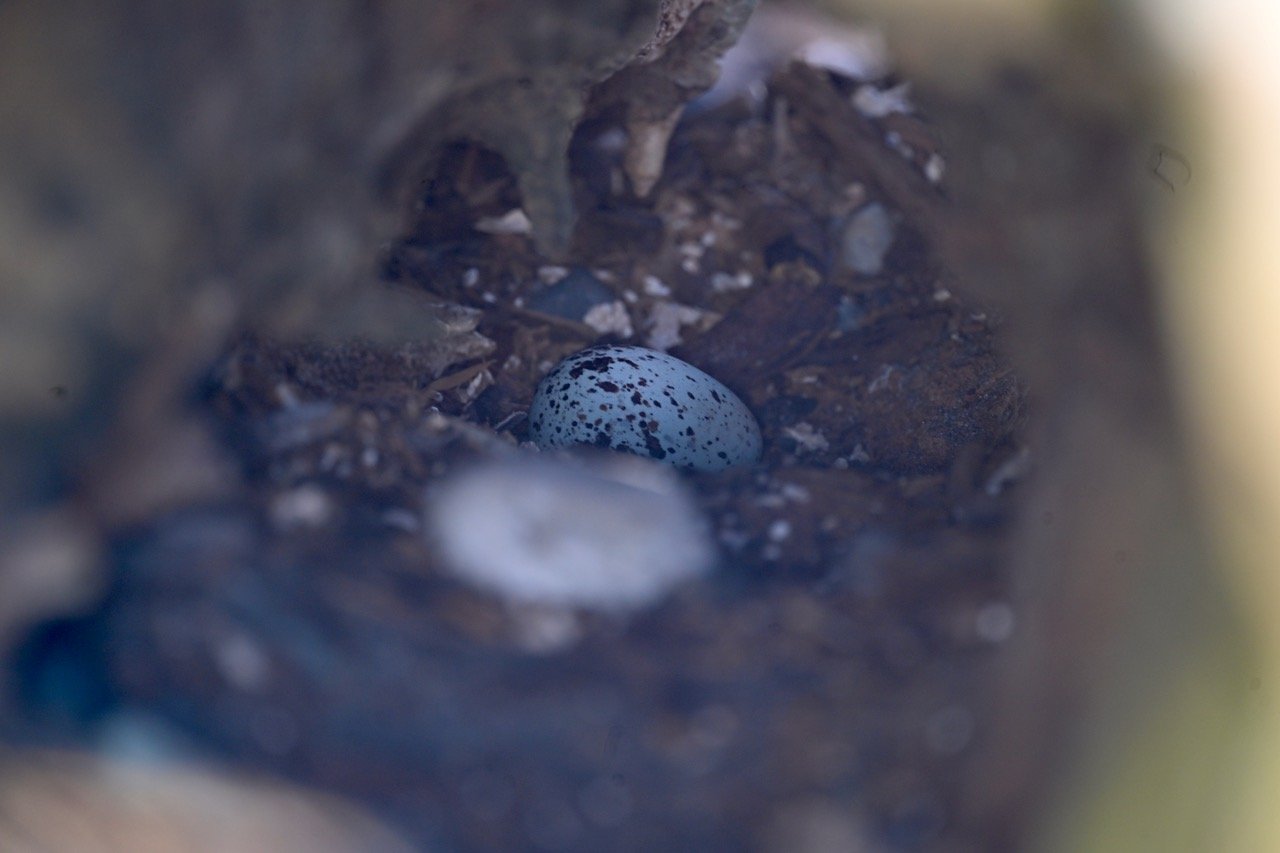
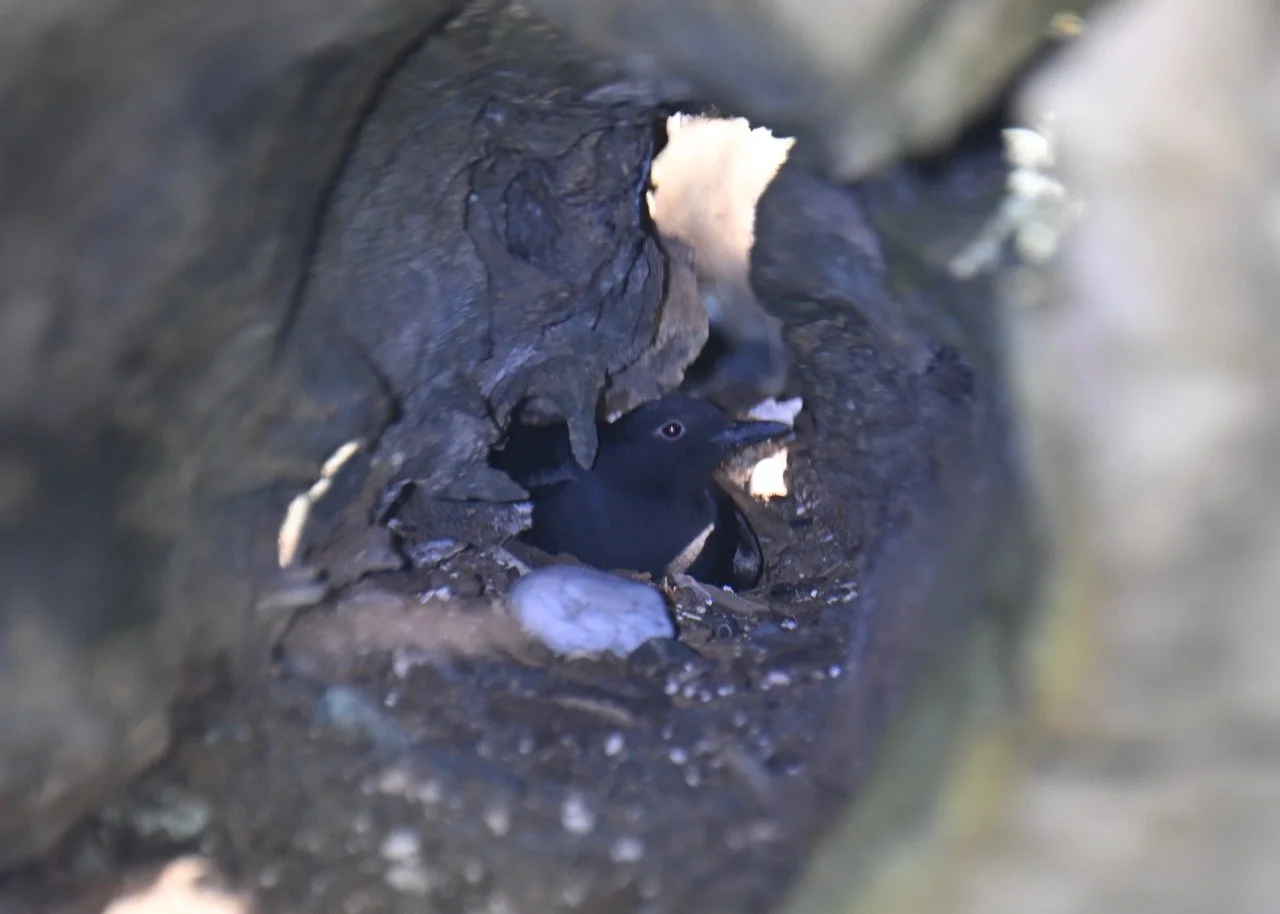
To be sure though, activity is trending towards increased chick provisioning (aka, feeding). As of last week, 76 prey were delivered to 37 burrows across 26 colonies. Gunnels are still the preferred prey with 55 recorded, but sculpin have finally arrived on the scene with 14! If you have yet to see a gunnel, sculpin, or other scaled fish snack being ferried from water to burrow, do not despair, over half of our colonies are still waiting in high anticipation for such a site! We expect feeding activity to reach its height somewhere around the 3rd or 4th week of July, so the birds are not late, yet. And in case you are wondering, our high count of surveyed guillemots is up to 1649!
Hillary Smith caught PIGU bringing red gunnels to two burrows underneath the Fort Worden Pier in East Jefferson County last week!
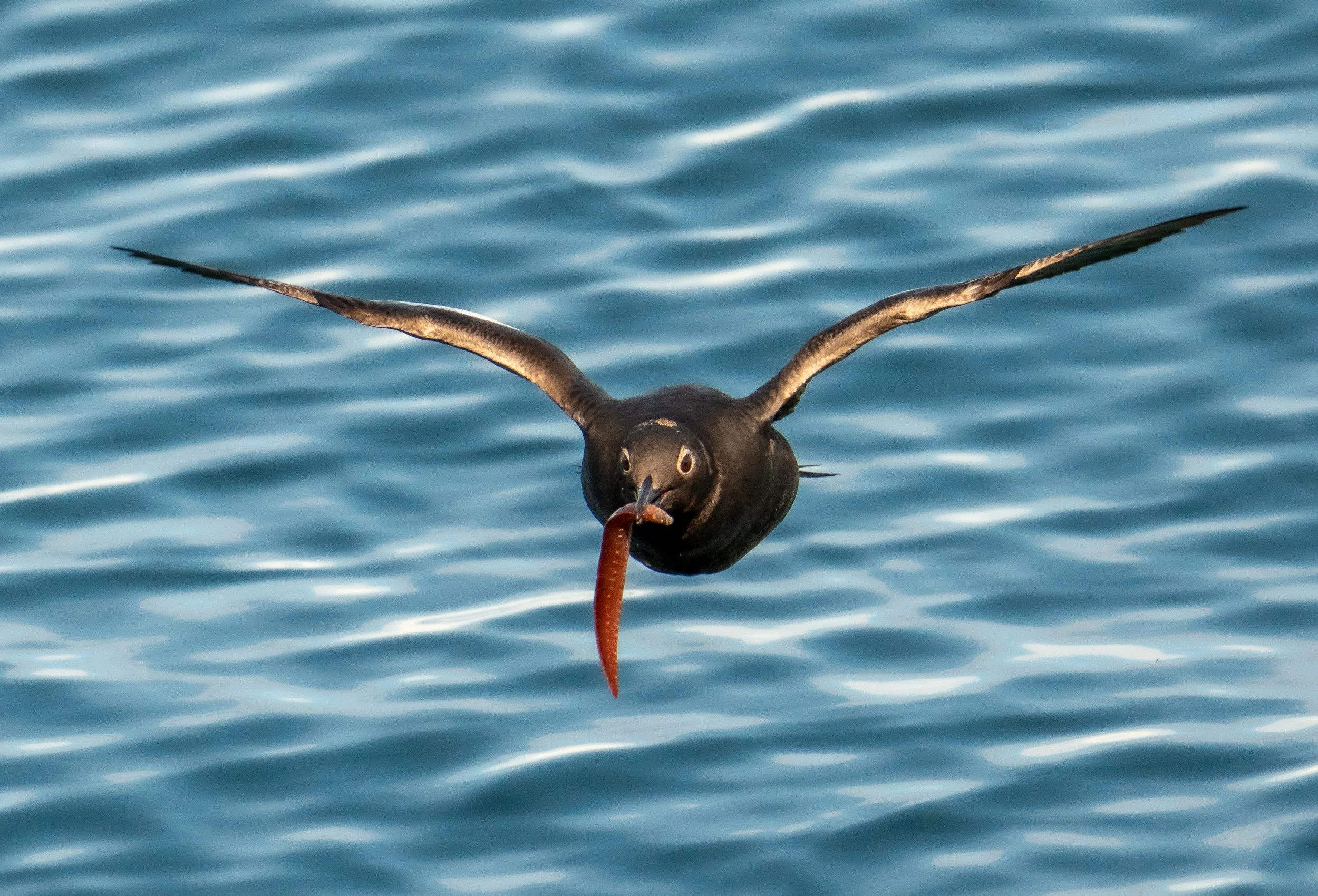
Photo: Hillary Smith
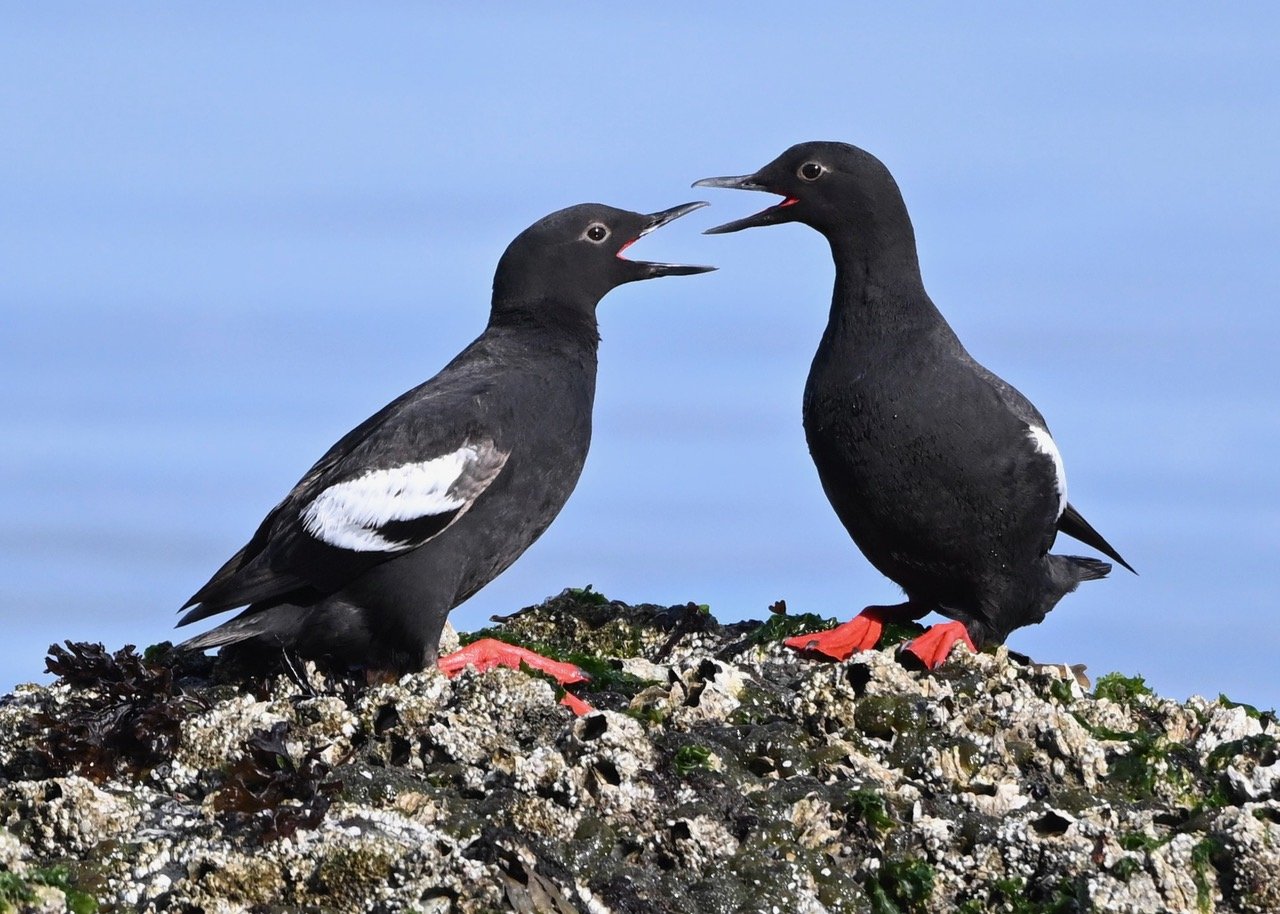
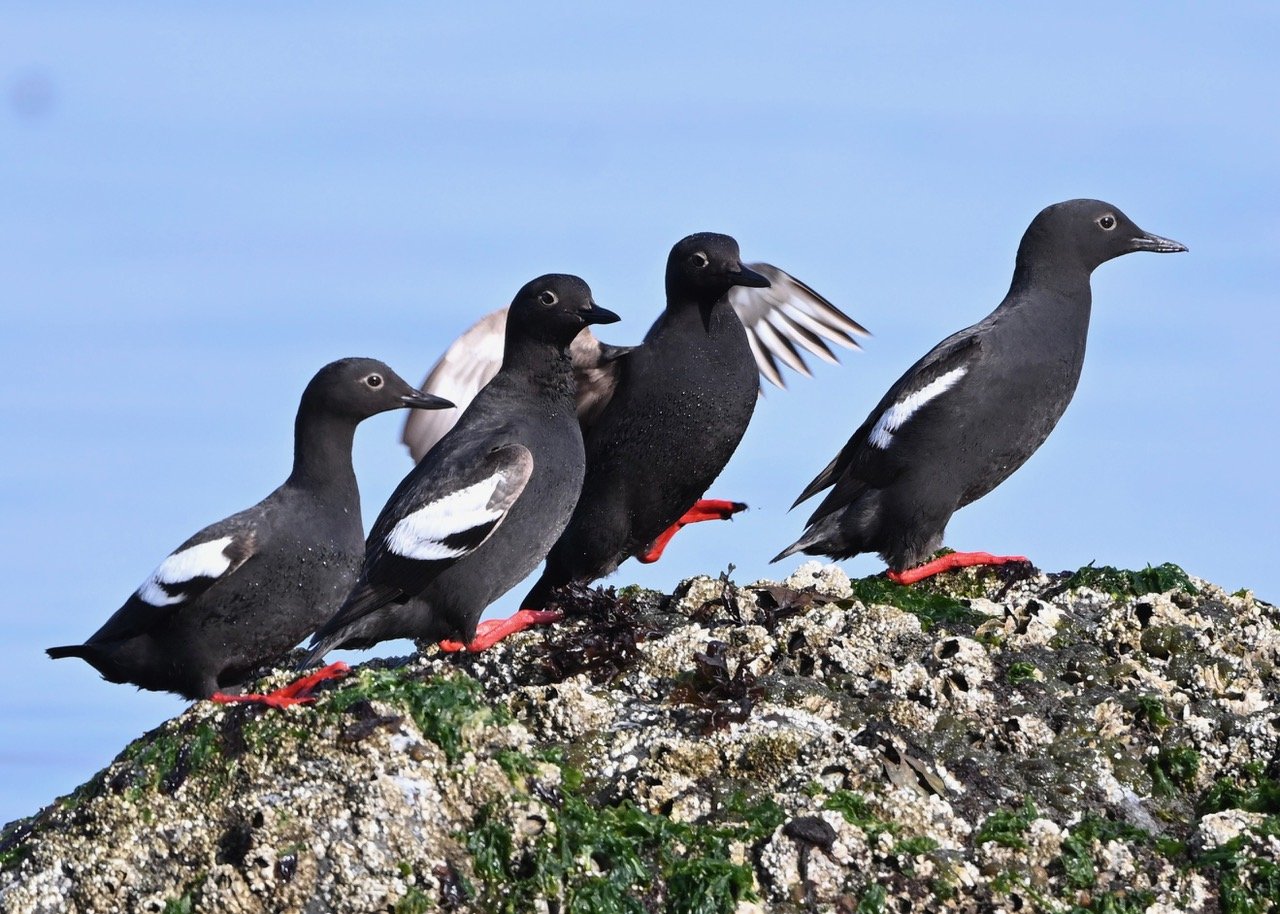
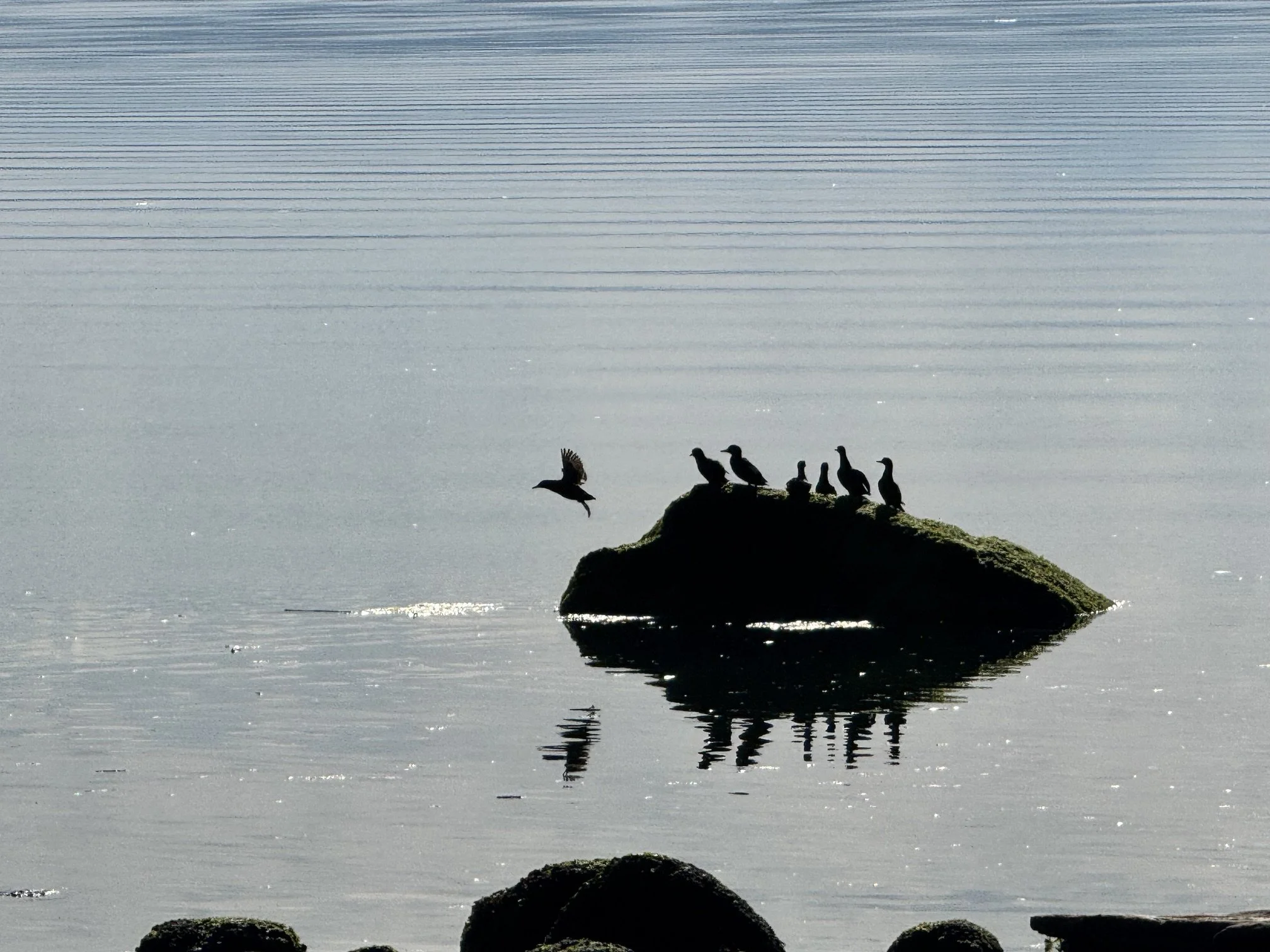
I have also received continued evidence that PIGU love to sit on rocks while at their breeding colonies! From pair bonding, to playing King of the Hill, to the ever entertaining game of “how many guillemots can fit on the rock?”.
Following the photos I posted last week of a PIGU showing up in non-breeding plumage, Steve Koehler wrote in to share a bird in the midst of transition at Dungeness Spit. I’m uncertain if this cutie is heading into breeding plumage or out of it, but it just goes to show that PIGU don’t always follow the expected timeline. They manage to keep us guessing and scratching our heads, but how lucky are we to witness these mysteries as they unfold?
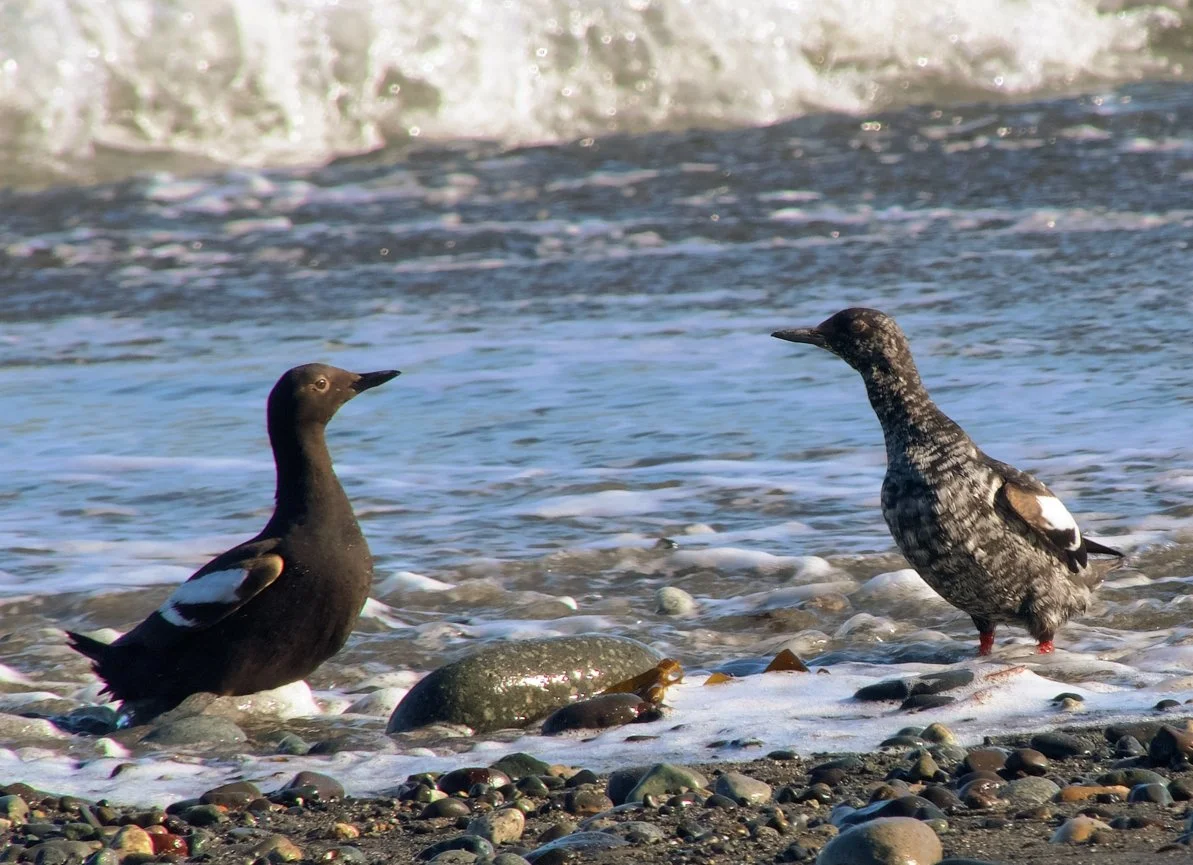
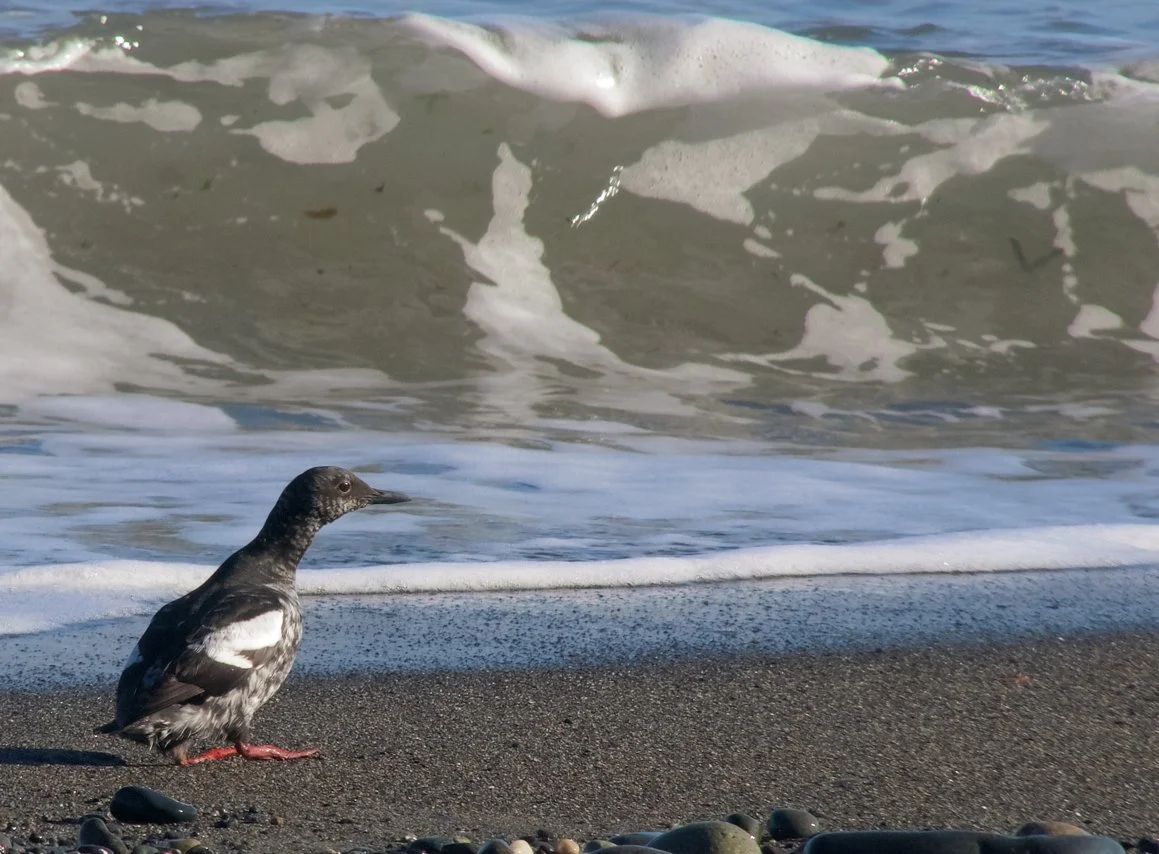
Has anyone else observed PIGU in interesting or unexpected plumage variations recently?
This is what’s happening around the network! Thank you all for keeping me up to date on what you’re seeing each week. It really helps me to get a clearer picture of what the PIGU are doing and what you’re experiencing out there as surveyors, that I can then convey to the group. I’m hoping you'll see something you relate to and also learn something about the unique characteristics of the different colonies. It’s pretty awesome to have so many boots on the ground and eyes on our birds!
Many thanks to our data leads as well! You all have been so diligent in entering your data in a timely fashion and without errors. I received a data summary from Dave Krause this morning, and everything looks great! You’re amazing and I so appreciate your care.
Here’s to a magical week four! Take care, all!