

Week 2: June 9th - 15th
What a difference a week makes!! We went from gale force winds in Week 1 to beautiful, sunny weather here in Week 2. Whew! Although one could easily argue that every day in the PNW is a beautiful day, it should be decidedly easier to survey with calmer seas. :)
I heard that many of our dedicated surveyors braved the elements Monday and Tuesday, and the stories ranged from cold, wet surveyors in complete misery to surveyors chasing data sheets stolen by the wind! Whatever the case may have been, thank you everyone for heading out and making our season's launch a success!
Also, a huge shout out goes to the folks at COASST (Coastal Observation and Seabird Survey Team) who found and forwarded along one such lost BDS from our Hood Canal colony--they reminded us that there is strength in collaboration and we're all partners in this! The HC survey team had a good laugh over the circumstances and we were all amazed that the sheet was recovered safely. Thank you, COASST, and thank you Karin and Nancy for sticking out the survey in a wind tunnel! From the sounds of it, the PIGU weren't phased, and continued to do their thing!
A note about PIGU activity in the early season. Every colony is different, and while most surveyors are likely to observe PIGU up close to the bluffs engaging in social and breeding behaviors, such as synchronized flying, billing, water games, ledge sitting, vocalization, copulation, and even prey deliveries, some might still observe an amount of indifference to the bluff or extended periods of quiet. If the colony seems a bit sleepy, it could be that PIGU are busy incubating eggs within the burrows. Then again, some colonies may just take a little longer to start up. So, if you didn't observe much activity in Week 1 as you had hoped (as was the case at my colony), don't despair, things are bound to change with time!
I'm curious, has anyone seen a prey delivery yet? Please let me know when you hear of one! I believe last season, we had our first fish recorded up at the Discovery Bay Colony in East Jefferson County in Week 2. Who will it be this year and what kind of prey will we see??
Dave and I will start our data tracking next week, so make sure to get your data entered in Survey123 within one week of completing your survey. This gives us and regional admins a chance to look over the data, ask questions, and correct any issues while everyone's memories are still fresh. And I know I don't really need to say all of this, because you're already on top of it! Everyone did such a great job last year that I am not worried in the slightest! Our data entry and data systems leads rock!
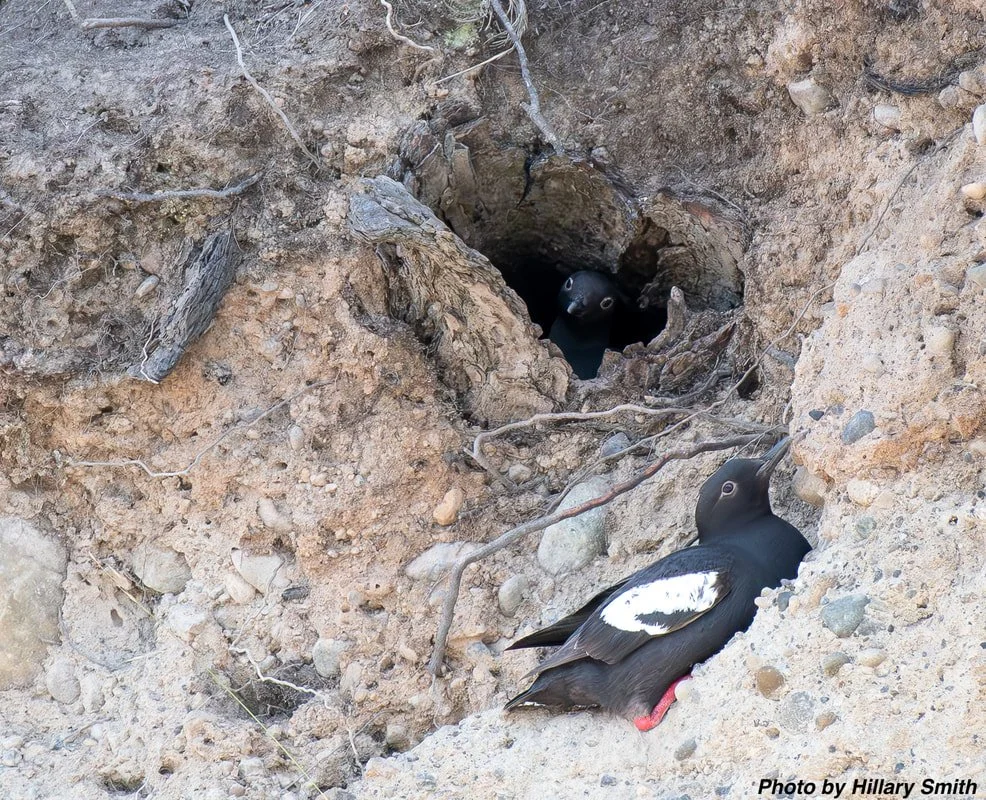
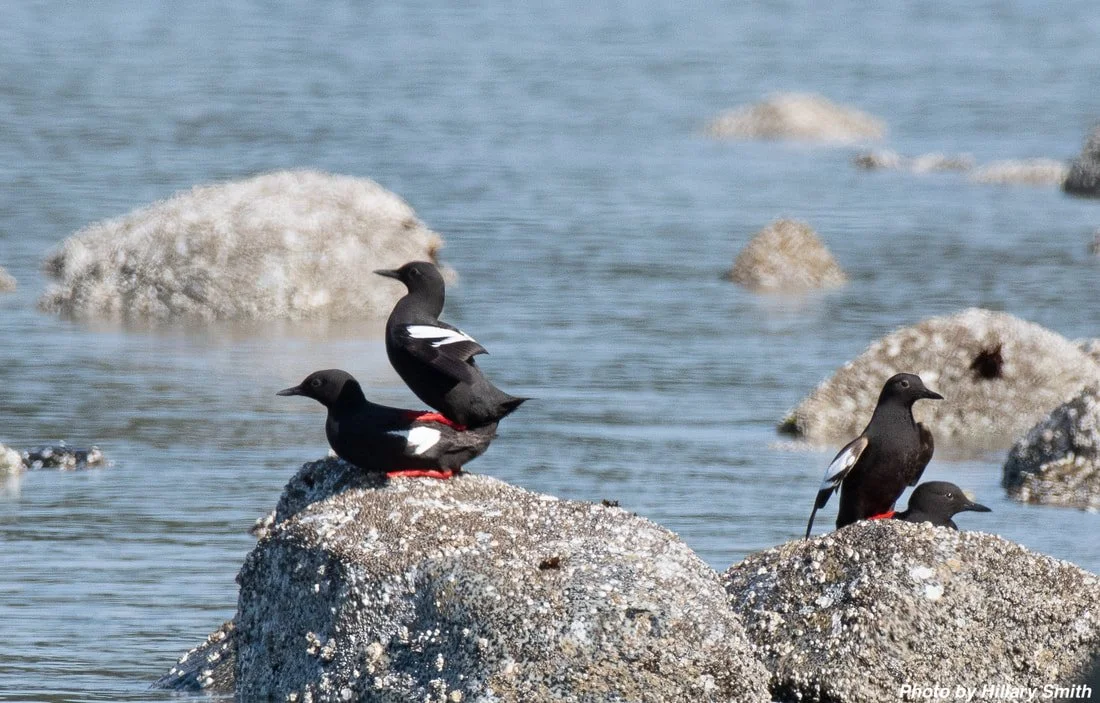
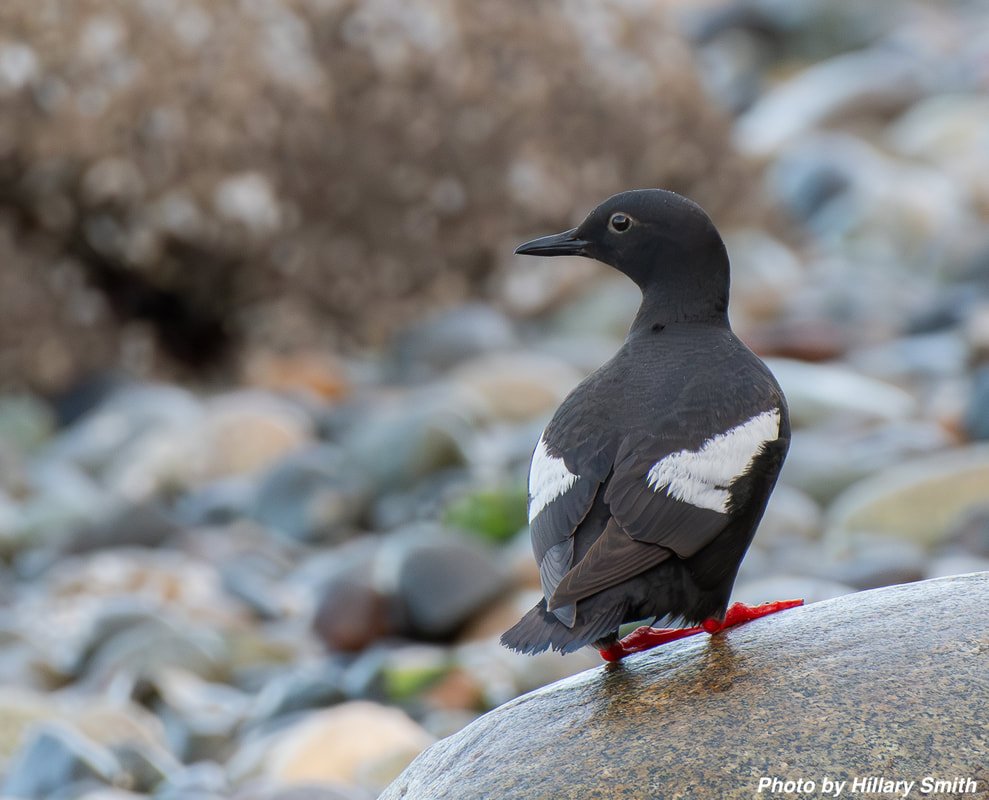
And without further ado, I did get some fun pics this week from Hillary Smith taken at her Isthmus Beach Colony in East Jefferson County. You could say that the activity there is hopping! Hillary also witnessed both swallows and Belted Kingfishers going in and out of PIGU burrows, which is not uncommon. Although swallows tend to use burrows too small for PIGU, BEFI and PIGU may have some overlap in the size of burrows they choose. In the early season especially, you might witness competition for burrows.
I love the face of the little guy peeking out. :)
Enjoy your time out on the beach, all! Take care,
— Shannon