Week 8: July 23rd - 29th
Happy Week 8!
Excuse the gap in weekly updates, I've just returned home from two weeks in Japan, and am playing catch up. Here's what's in "PIGU News" this week...
Fledglings sighted!
There was some exciting news out of Whidbey this last weekend. Jann Ledbetter, who surveys the Lake Hancock colony, reported seeing a fledgling on the water! She also passed along that there have been other sightings as well. Woohoo! Has anyone else seen fledglings floating around out there with the currents? Let me know if you have, and if you manage to capture a photo, please send that along too!
Avian Flu
By now, you have all seen news of the Avian Flu outbreak among the Caspian Tern breeding colony on Rat Island. A big thank you to Brenda Johnson of East Jefferson for keeping us up to date on the situation there. Although the guidance she sent out to her team pertains specifically to Jefferson County, it is a good reminder that we should all know what to do if we see dead or sick birds on the beach. The important thing is not to touch the birds or allow dogs near them, as avian flu is highly infectious between species. Make sure to report dead birds to WDFW so they can track sightings and assess the cause of death, if necessary. So far, I haven’t heard of any other seabird outbreaks, and hopefully that will remain the case.
Mary Bond gave us the WDFW link to report dead birds at our June SSGN meeting, but here it is again:
https://wdfw.wa.gov/get-involved/report-observations
The direct link to the online reporting form is here:
https://survey123.arcgis.com/share/1550804e5fd743668049e06d5ad8836a
PIGU Activity
It’s hard to believe that next week some colonies will already be heading into their two week season closure period! I checked our data to date, and we have a fair number of burrows that have now seen 4-5 weeks of prey deliveries, which means we should have a chance to see more fledglings soon—although they do tend to be elusive.
We also still have a wide range of burrow activity spanning over 1, 2, or 3 weeks of provisioning, so for many colonies, there is still some steam yet in the season. Kudos to those of you who have encouraged your volunteers to keep surveying even if their colonies have been slow or they have seen gaps in prey deliveries--this advice is right on. Every year we document burrows that become active late in the season or weeks in which we don’t catch activity during the survey window. Whether it is a late start, a second clutch, or nervous parents, we’re not sure, but we do know that we don’t want to miss a chance to document a full breeding cycle.
Thank you for keeping the momentum going!
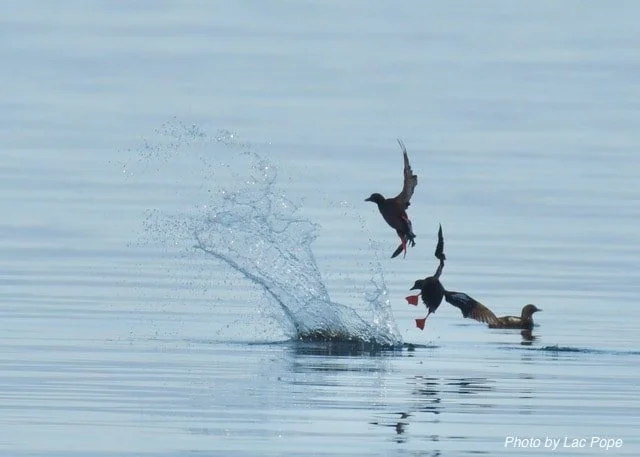
And now for a few recent photos from our photogs across the regions…