

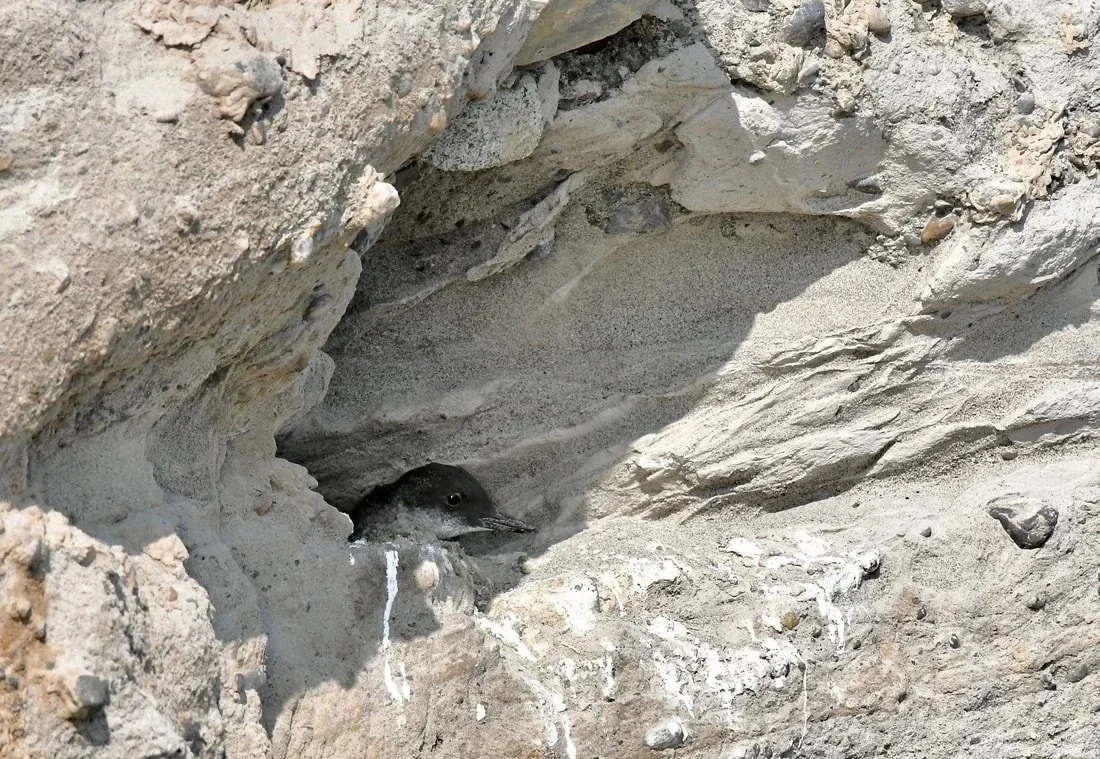
Dead or Sick Bird
Make it stand out.
-
1. Leave the bird and report your finding to WDFW. We expect that this will apply to most situations.
-
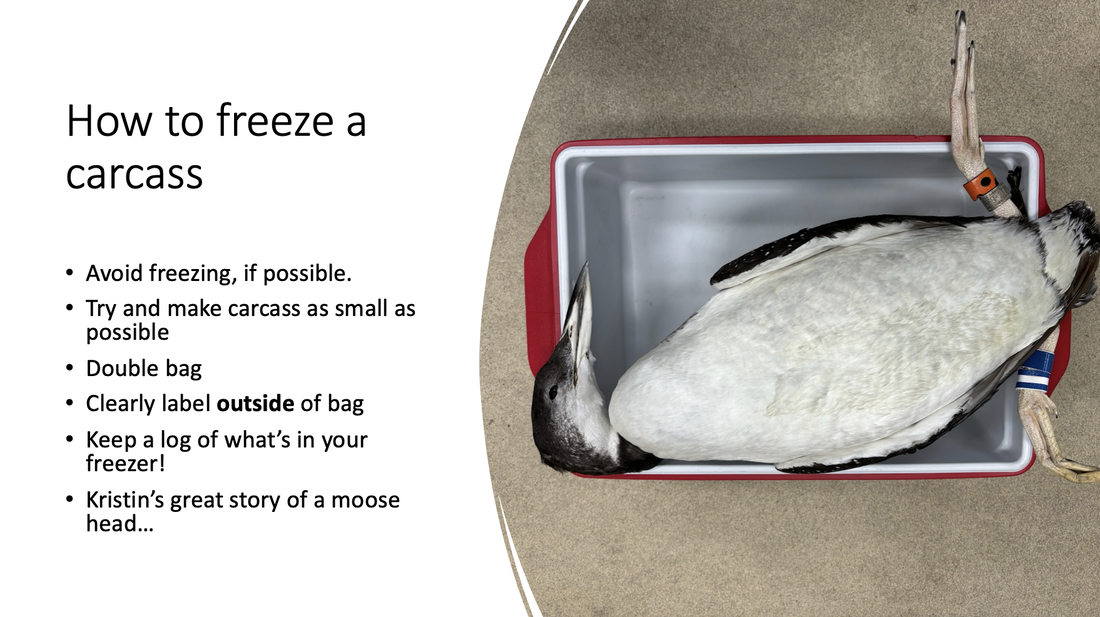
2. Collect the bird using the guidance below and arrange transport to Katie Haman or other WDFW representative.
-
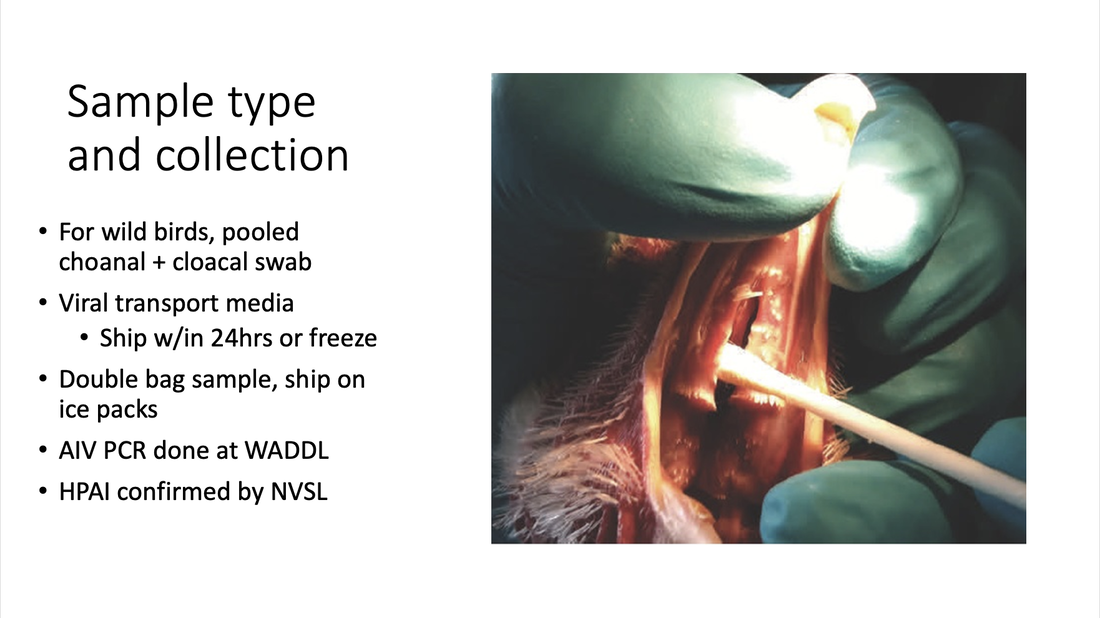
3. Take a choanal and/or cloacal swab sample and leave the bird on the beach. Contact Katie to arrange mailing of the sample.
Prioritizing Bird Collection New guidance for 2025
Due to 2025 state budgetary constraints, we have been advised to prioritize which birds we choose to collect. The following would fall into a category of high priority for testing for pathogenic disease:
-
1. Endangered or threatened species and Species of Greatest Conservation Need - see "At-risk Species" for WA state and WDFW SGCN Ch 3
-
2. Finding > 5-7 freshly dead birds in the same area
-
3. Prioritize seabirds over other bird species
-
4. Only collect very freshly dead birds, look for intact eyes
Death of birds is a normal part of the cycle of life and does not always indicate a problem. Please do continue to report your findings, especially if something seems out of the ordinary (such as #2 above).
If you're unsure about what you should do, you can text Dr. Katherine Haman at 360-890-2031.
If you decide to collect a dead bird for testing in a state lab, click on the button below to access detailed instructions.
Reminder: Collecting bird carcasses or rescuing a sick bird is completely optional. It depends on how you feel about it and whether you can safely collect the bird, using the proper supplies and personal protection. Please only collect fresh carcasses- those are birds that still have intact eyes and haven't started degrading yet. If it smells really bad, it's not fresh. If you choose to leave the bird, please make sure to report it so that the state can investigate, if necessary.
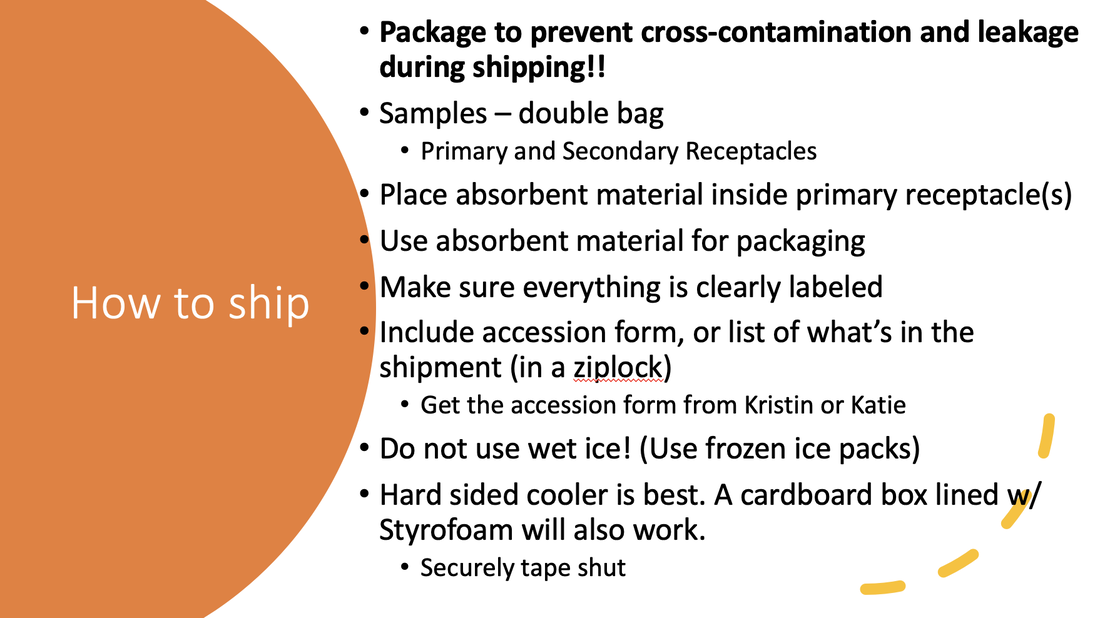
Guidance on How to Safely Collect & Store Carcasses for Transport to WDFW
Addtional Resources
-
Report Sick or Dead Birds
WA State Department of Avian Health
-
WDFW Report Wildlife
Observations Tool
-
Contact Katie Haman
WDFW Wildlife Veterinarian, 1-360-890-2031
when collecting a carcass or swab sample
Marine Bird Rescues
-
PAWS
Snohomish
paws.org -
West Sound Wildlife Shelter
Bainbridge Island
westsoundwildlife.org -
Discovery Bay Wild Bird Rescue
Port Townsend
discoverybaywildbirdrescue.com